






Clinical Rationale for Utilizing the NeuroMed (MATRIX Sports) Electro Analgesic Delivery System in Sports Injury Management
The NeuroMed (MATRIX Sports) Electro Analgesic Delivery System represents a non-invasive neuromodulation modality designed to deliver targeted electrical energy for the management of acute and subacute musculoskeletal pain. Its mechanism of action is consistent with established principles of transcutaneous electrical nerve stimulation (TENS) and electroanalgesia, including activation of large-diameter Aβ afferent fibers, modulation of nociceptive transmission at the dorsal horn, and facilitation of endogenous opioid release via central inhibitory pathways.
In the context of sports-related injuries—such as ligamentous sprains, muscular strains, tendinopathies, and post-exertional inflammation—timely pain control is essential to optimize functional recovery and prevent chronicity. Electroanalgesic therapies have demonstrated efficacy in reducing pain intensity, improving range of motion, and enhancing participation in rehabilitation protocols when used as part of a multimodal treatment strategy.
Clinical evidence supports the use of electrical stimulation modalities for musculoskeletal pain management:
- A systematic review by Cochrane Collaboration found that TENS can provide significant short-term pain relief in both acute and chronic musculoskeletal conditions, particularly when applied with appropriate frequency and intensity parameters (Johnson et al., 2015).
- The American Physical Therapy Association recognizes electrical stimulation as an adjunctive intervention for pain modulation and functional improvement in rehabilitation settings.
- Research published in The Clinical Journal of Pain and Pain has demonstrated that electroanalgesia may reduce central sensitization and improve patient-reported outcomes when integrated into comprehensive care plans (Sluka & Walsh, 2003; Vance et al., 2014).
- A meta-analysis in European Journal of Physical and Rehabilitation Medicine reported that TENS significantly reduces pain compared to placebo in musculoskeletal disorders, with minimal adverse effects (Bjordal et al., 2003).
Beyond analgesia, electrical stimulation has been shown to:
- Improve local microcirculation and tissue oxygenation
- Reduce muscle guarding and spasm
- Facilitate neuromuscular re-education
- Support earlier engagement in active rehabilitation
Importantly, the NeuroMed (MATRIX Sports) system offers a non-pharmacologic alternative that aligns with current clinical priorities to reduce opioid utilization and limit systemic medication exposure. The Centers for Disease Control and Prevention and U.S. Food and Drug Administration have both emphasized the importance of non-opioid and non-invasive therapies in pain management strategies.
Incorporating the NeuroMed )MATRIX Sports) Electro Analgesic Delivery System into sports medicine protocols enables physicians to deliver targeted, evidence-based pain control while enhancing patient safety, accelerating recovery timelines, and improving overall functional outcomes.
Sample References (AMA Style):
- Johnson MI, Walsh DM. Pain: continued uncertainty of TENS’ effectiveness for pain relief. Cochrane Database Syst Rev. 2015.
- Sluka KA, Walsh D. Transcutaneous electrical nerve stimulation: basic science mechanisms and clinical effectiveness. J Pain. 2003;4(3):109–121.
- Vance CGT, Dailey DL, Rakel BA, Sluka KA. Using TENS for pain control: the state of the evidence. Pain Manag. 2014;4(3):197–209.
- Bjordal JM, Johnson MI, Ljunggreen AE. Transcutaneous electrical nerve stimulation (TENS) for the management of painful conditions. Eur J Phys Rehabil Med. 2003.
- Centers for Disease Control and Prevention. Guideline for Prescribing Opioids for Chronic Pain.
- U.S. Food and Drug Administration. Non-Opioid Pain Management Therapies.

Matrix Sports System
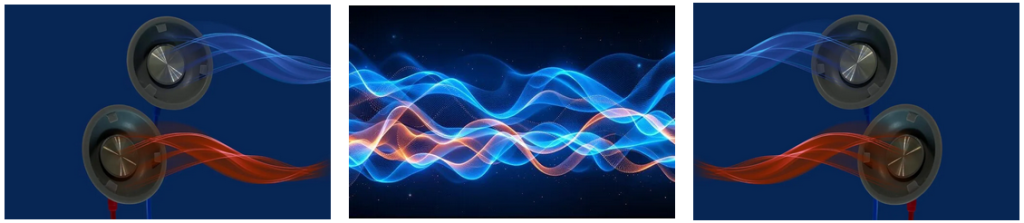
The science of clinical electro medicine is based upon the concept that any medical therapy, regardless of the specialty or avenue of approach, can only stimulate, facilitate, or inhibit electrical or chemical processes in the body.